Monero / Security
Wagyu XMR1 Sell-Off: What Monero Users Need to Know
Wagyu is unavailable after a major XMR1 sell-off. We examine the reported proceeds, the operator's explanation and the risks of holding bridged Monero.
Monero / Daily Digest
Friday's Monero news: Wagyu's XMR1 sell-off, hosting security, FCMP++, node operations, BasicSwap, merchant payments and Cuprate funding.
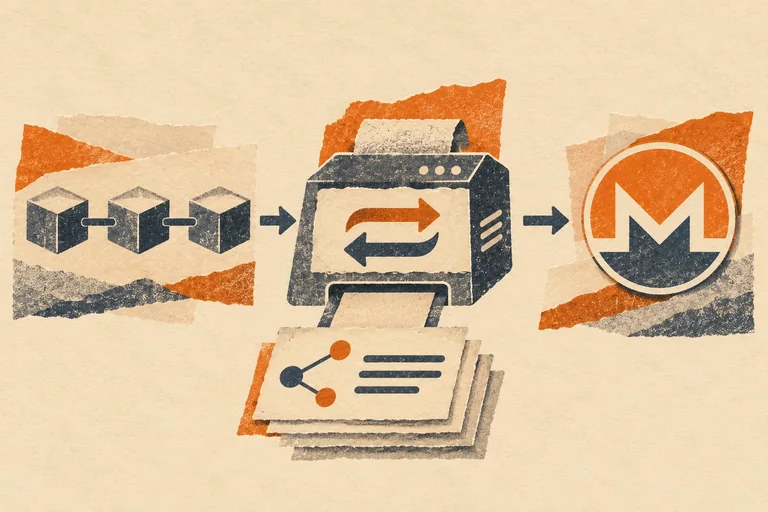
Wagyu suspended service Friday after a sell-off in XMR1, its token for trading bridged Monero on Hyperliquid. Bitquery traced sales of 369,623 XMR1 for $13.51 million. Holders faced a more immediate question: could they redeem their tokens for native XMR while the bridge was offline? How much Monero backed the remaining tokens was still unknown. Read the Wagyu report.
1984 Hosting suspended services after a cyberattack. Wagyu's operator said an old server at 1984 had held the key involved in the sell-off. That connection remained unverified Friday. Our guide looks at which risks a server owner can reduce by renting bare metal and encrypting disks, and where the hosting provider still has control. Read the hosting guide.
Monero's next privacy upgrade was still in testing. FCMP++ had reached beta stressnet v3.1. Audits and integration work continued, and no mainnet activation date had been confirmed. Read the FCMP++ update.
Public node operators had a setting worth checking. Monero maintainer selsta proposed warning operators when they expose a ZMQ interface to the internet. The warning also applies to nodes using --restricted-zmq-rpc. Friday's brief covers that proposal alongside changes under review for HTTP headers, Tor and I2P. Read the Node Ops Brief.
BasicSwap users need to recreate certain offers after upgrading. Our guide to the November 10 release of BasicSwap 0.19.2 explains which adaptor-signature offers need replacing and what changed for people swapping Monero. Read the BasicSwap guide.
Compromised Optimizely scripts replaced crypto payment addresses. Customers could visit the intended website and still see an attacker's address at checkout. Our report explains why the total received by those addresses cannot establish how much victims lost. Read the Optimizely report.
What happens after a shop accepts XMR? Two Friday pieces follow a payment across the counter. The first looks at the software merchants use to accept Monero and what we know about its use in shops. The second takes the merchant's side: once a sale is complete, where can the shop spend the XMR it earned? Monero at the point of sale · The Monero circular economy.
Cuprate development reached its 60 XMR funding goal. Monero.com reported Friday that SyntheticBird's proposal for three months of work on Cuprate, an independent Monero node implementation, had reached full funding. Monero's crowdfunding tracker listed 61 contributors and all three milestones still ahead. The work covers how Cuprate keeps track of peers, how others can reproduce its builds, and how the project secures the software it distributes. Project proposal · Funding and milestones.