Monero / Security / Wallets
Wagyu XMR1 Sell-Off: What Monero Users Need to Know
Wagyu is unavailable after a major XMR1 sell-off. We examine the reported proceeds, the operator's explanation and the risks of holding bridged Monero.
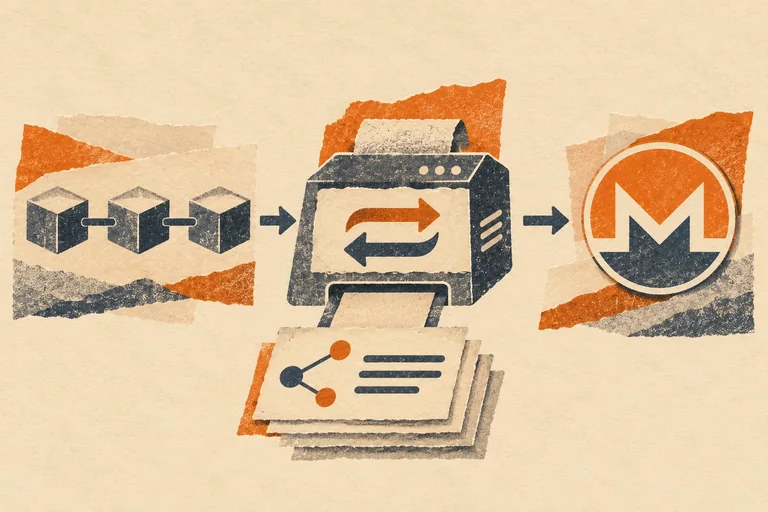
Wagyu's website says the service is temporarily unavailable after a large sell-off of XMR1 on November 20. XMR1 is a token representing Monero on Hyperliquid. It depends on Wagyu's bridge for conversion to native XMR. Holding that token adds a dependency on the bridge operator. Native XMR in your own wallet does not need that service for transfers. Wagyu service notice, bridge documentation
Transfers and sales on Hyperliquid
Bitquery's investigation says the XMR1 deployer account transferred 5.2 million tokens to a newly created account between 04:46 and 05:16 UTC. Its updated analysis records sales of 369,623 tokens to 420 buyer accounts for $13.51 million. The token's price fell about 99.8% during the initial sell-off.
Those figures describe tokens transferred, tokens sold and sale proceeds. They do not establish the value of all lost holdings or the amount of native XMR backing the remaining tokens. Bitquery's sales analysis runs through 13:00 UTC on November 20. Earlier reports used smaller buyer counts, so those snapshots should not be combined. Bitquery investigation
A stolen-key explanation and promised refunds
The Defiant reports that Wagyu operator PerpetualCow attributed the incident to a stolen deployer key. He said files from an old server remained at hosting provider 1984.hosting after he deleted the server. The reported connection between a hosting breach and this key theft has not been independently established.
The operator also promised personal refunds and a later relaunch, according to that report. A promise does not establish that payments have started or that everyone affected will receive reimbursement. Refund and relaunch dates remain unconfirmed. We could not retrieve the original X post directly during this review. The Defiant's report, operator's post

XMR1 and native XMR
Wagyu's documentation describes depositing native XMR to receive XMR1 on Hyperliquid, then returning XMR1 to receive native XMR. That process requires the service to complete the conversion. An XMR1 balance on Hyperliquid is not a Monero output controlled by your Monero wallet.
The documentation's availability table was built on November 12. It should not be read as confirmation that deposits or withdrawals work during the current outage. The site's current unavailable notice takes precedence over that older snapshot. Bridge operation and availability
The evidence reviewed concerns Wagyu's token and service infrastructure. It does not establish a break in Monero's cryptography. Our guide to wallets and nodes explains where control of native XMR sits.
Keep records, keep credentials private
If you have an affected order, keep its identifier, deposit transaction and any support correspondence. Do not post its private session identifier publicly. Wagyu's API documentation says that identifier provides access to read or act on an order. Use the support route linked from the project's own site and avoid sending new funds while the service reports it is unavailable. Order credentials and support
The facts still needed are a verified account of the key compromise, the backing and redemption status of outstanding tokens, and evidence of completed refunds. We have not established that this was an insider action or a rug pull.