Monero / Privacy / Security
The 1984 Hosting Hack and the Case for Bare Metal
The 1984 Hosting attack raises questions about server trust. How bare metal removes a shared hypervisor, and where full disk encryption helps.
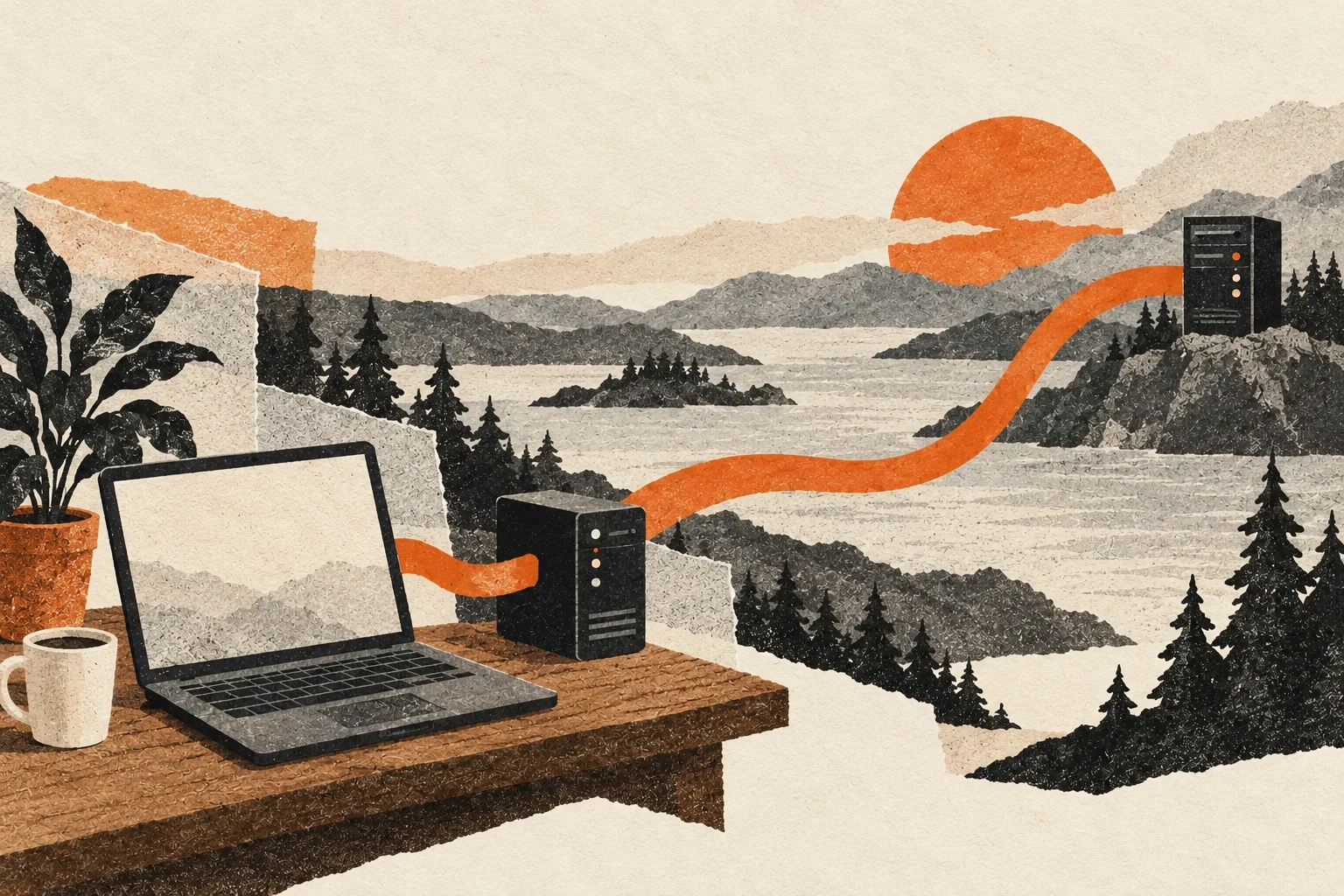
You can patch a server and disable password logins, then still lose control because someone compromised the infrastructure underneath it. Renting a VPS means trusting more than the operating system you administer.
The November 20 attack on 1984 Hosting is a reason to examine that trust. For sensitive infrastructure, renting a physical machine and installing your own operating system removes a shared hypervisor from the arrangement. Full disk encryption adds protection for stored data. The provider still controls the physical infrastructure.
What we know about the 1984 attack
On November 20, 2026, 1984 and Iceland's CERT-IS announced a serious cyberattack and a temporary suspension of all services. Their statement said the scope was still under investigation. Email and DNS were to return under special monitoring, with other services dependent on security checks. Joint statement reproduced by DV
That statement does not establish how the attackers entered, whether they compromised a hypervisor, or which customer secrets they obtained. We should not turn a hosting breach into a confirmed VM escape without evidence.
Wagyu operator PerpetualCow attributed the XMR1 incident to a deployer key on an old server at 1984, claiming files remained after he deleted the server. The connection remains unverified. XMR1 is a token representing Monero on Hyperliquid, and this allegation does not establish a break in native Monero. Reporting on the operator's account
The broader hosting question stands even while those details remain unresolved: who can reach your data without logging into your server?
Root on a VPS is not control of the host
A virtual private server is a guest operating system running on a physical host. The hypervisor manages the guests and their access to hardware. Your root account administers your guest. It does not administer or constrain the host beneath it.
In conventional virtualization, the host has powerful ways to inspect a guest. QEMU's own management documentation describes saving VM state and dumping guest memory. Those are legitimate administration features, but they also explain why control of the host matters. An attacker with the necessary host privileges may not need your SSH password. QEMU monitor documentation
Sharing a hypervisor adds another concern: unrelated customers depend on the same isolation layer. A vulnerability that lets one guest cross that boundary can expose other guests. Sharing alone does not grant a neighbor access, and a guest compromise does not automatically compromise the host. The risk is failure of the shared boundary. Red Hat virtualization security guide
Hardening your VPS addresses only part of its security. Some of the most privileged software is outside your control.
Rent the machine, not just a guest
Bare metal means your operating system runs directly on the physical server. For the arrangement discussed here, you rent the whole machine, with no provider hypervisor hosting your operating system alongside other customers.
That removes a specific dependency. There is no neighboring tenant on that shared hypervisor, and no provider VM monitor beneath your operating system. You can run your own hypervisor if you need several services, while retaining responsibility for that layer yourself.
Check what the product supplies. Dedicated CPU cores are not the same as a dedicated physical server. Even an entire physical host reserved for one customer can still run provider-controlled virtualization. Ask whether you boot your own operating system directly, where the disks are, and who controls remote console access, rescue boot and firmware updates.
Bare metal still has provider infrastructure around it. AWS documents management and I/O components that remain present in its bare metal mode. The physical machine, its firmware, network and management systems do not stop being trust dependencies when the hypervisor disappears. AWS Nitro architecture
For a service holding sensitive records or online keys, removing shared virtualization reduces one source of exposure. Budget for maintenance too. A neglected physical server still exposes its users to unpatched software and configuration mistakes. Confidential-computing VMs also require a separate assessment of memory protection and attestation. Ordinary VPS hosting should not be assumed to provide those protections.
FDE protects a locked disk
Full disk encryption, or FDE, encrypts storage so that possession of the disk alone does not reveal its contents. On Linux, LUKS is a common way to manage encrypted block devices. It helps when a powered-off machine is seized, a drive is removed, or someone obtains an encrypted disk image without the unlock secret. Red Hat's LUKS documentation
Once the volume is unlocked, the running system can read its files. So can an attacker who gains sufficient control over that system. FDE does not prevent an application exploit from reading data the application is already allowed to access.
Inside an ordinary VPS, the same limitation extends beneath the guest. Encrypting its virtual disk does not make its running memory inaccessible to a privileged host. A disk-only snapshot may contain ciphertext, while a saved memory image may expose secrets from an unlocked guest. FDE is useful on a VPS, but it does not remove hypervisor trust. QEMU memory and state operations
Key handling determines how much protection you get. A disk that unlocks using a secret stored alongside it offers little protection against someone who obtains both. Provider-managed storage encryption is also a different arrangement from encryption whose unlock secret only you hold. For a remote server, decide how it will restart and unlock before depending on it. Keeping a secret off the machine may mean an outage lasts until you can unlock it.
Plan for encrypted swap and separate backup encryption too. File backups taken from an unlocked volume contain readable files unless the backup process encrypts them. Protect recovery material and test restoration. Cryptsetup's documentation also warns that copying a LUKS container copies its volume key. Changing a passphrase does not make an old copy disappear. Cryptsetup security and backup FAQ
Keep Monero spending keys away from public services
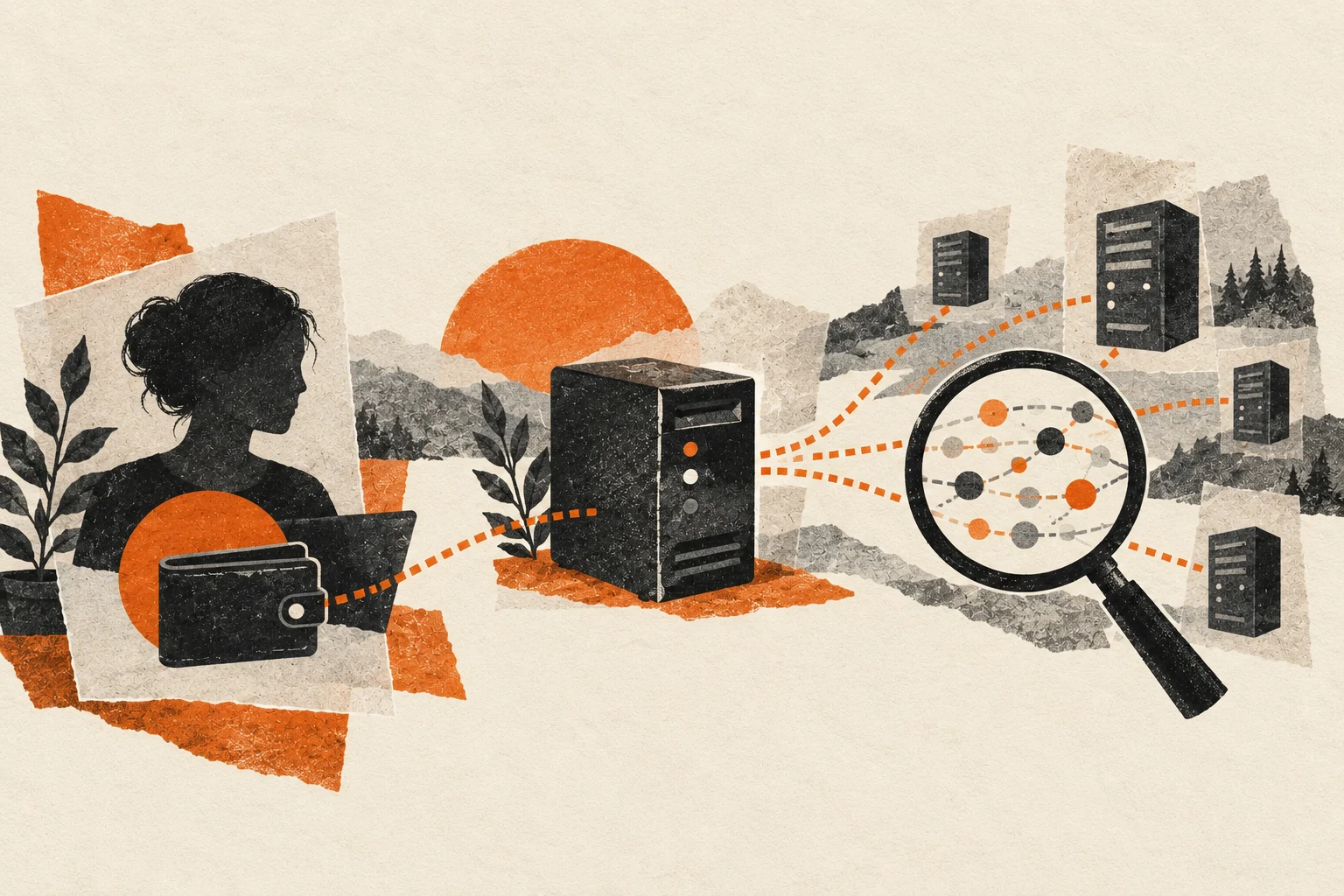
A Monero node validates and relays transactions. It does not need your wallet seed or private spend key to do that work. Keep those secrets off a rented node. Our wallets and nodes guide explains the separation.
A payment service may need to detect incoming payments. A view-only wallet can support that without carrying the private spend key, but its private view key still reveals incoming transactions. Removing spending authority reduces the potential loss without making the remaining data public or harmless. Monero view-key documentation
Treat deleting a rented server as an administrative action, not proof that every snapshot, backup or log has been erased. Ask about retention before placing secrets there. If a key may have been exposed, retiring the machine does not retire the key. Replace credentials and move spending authority to fresh keys through a trusted system.
For sensitive Monero services, a practical arrangement is a dedicated physical server, an operating system you control, encrypted storage and backups, and as little signing authority online as the service can tolerate. Keep recovery copies outside that provider and test how you would rebuild elsewhere.
The 1984 investigation may establish a different attack path from the ones discussed here. The reason to prefer bare metal does not depend on guessing that path. Rent hardware when you need to remove shared hypervisor trust. Use FDE for data at rest. Keep the keys that can empty a wallet out of infrastructure that only needs to serve a website or relay transactions.