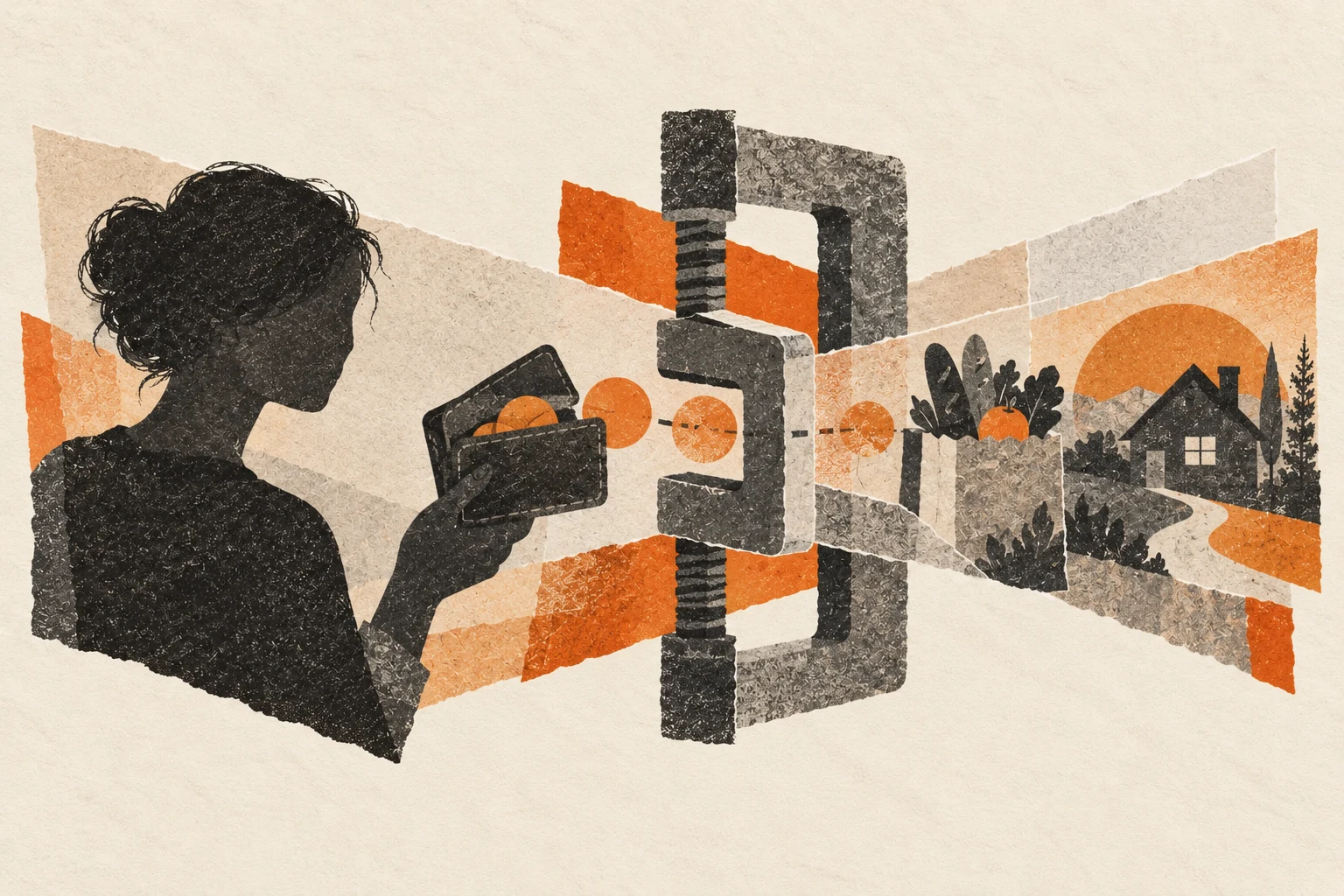
You can hold your own keys and still lose access to your money.
Blockchain fund freezes let some token issuers stop transfers from your wallet without taking its keys. Your balance stays visible. Your rent still needs paying. That power can stop stolen funds moving. It can also trap legitimate payments, including money belonging to people who never knowingly dealt with a criminal.
How blockchain fund freezes work
Circle's contract documentation describes an administrator who can block addresses from sending or receiving tokens. A separate pause control can stop transfers across the contract. Tether's terms also describe freezing tokens and blacklisting addresses.
The blockchain keeps processing blocks while the token refuses your transfer. A hardware wallet protects your keys, but cannot override those rules. Switching wallet apps changes nothing.
An issuer freeze differs from an exchange stopping withdrawals: the exchange holds the assets, whereas an issuer can restrict its token inside your own wallet. Blocking USDC does not automatically block every other asset at that address. The exact powers depend on the asset and network.
What the Binance hack shows
After the October 2026 theft, Binance reported that partners had frozen approximately $3 billion. That was its October 30 estimate. Freezing assets preserved a chance of recovery; it did not mean customers had received that money back.
Binance also temporarily suspended withdrawals during its security review. Ordinary customers lost access to withdrawals through that exchange, regardless of whether their own accounts were involved in the attack. That illustrates how a response to theft can restrict legitimate users across a shared service.
Our Binance hack report separates frozen assets, replacement funding, and withdrawal access. Those distinctions matter to anyone waiting for their savings.
The case gives freezing its strongest argument: thieves should not get an easy exit with other people's money. But a successful intervention cannot guarantee that every future freeze will identify the right owner or spare unrelated funds. A useful emergency power still needs scrutiny.
Innocent funds can have suspicious links
Consider a hypothetical shopkeeper paid for an ordinary purchase. Earlier in its history, the payment passed through an address associated with theft. The shopkeeper supplied real goods and knew nothing about that history.
A service reviewing the deposit might hold it while investigating. An issuer might separately block an address under its policy. These are different decisions; a transaction link alone does not automatically trigger either one. Circle's USDC terms describe its powers concerning blocked addresses.
Investigators still need to establish who controls the funds and what happened. A connection to a suspect does not prove that everyone receiving money downstream participated in the crime.
For the shopkeeper, invoices and delivery records could help explain the payment. Producing them takes time. They may prove a genuine sale without explaining every earlier transfer. Treating an unexplained transaction history as proof of wrongdoing would put an unreasonable burden on the recipient.
Shared addresses make the consequences wider. If a payment processor's settlement address is blocked, shops awaiting payment may be affected together. Whether that happens depends on how the service holds funds. The customers harmed by a delay may never have chosen the token involved.
KYC identifies customers without guaranteeing access
KYC means Know Your Customer. An exchange may already hold your passport, home address, and transaction records when it restricts your account. Having passed identity checks does not guarantee that a later payment will clear its screening.
Identity records can help resolve a mistake. They also connect financial activity to a named person. On transparent blockchains, an address associated with that account can become a starting point for examining other transactions. Our KYC privacy guide explains what those records expose and why withdrawing funds does not erase them. This is a separate concern from the Binance theft; the hack provides no evidence that KYC documents leaked.
For a legitimate customer, the practical problem is having supplied sensitive documents and still being unable to spend while a review continues. More identification does not make every attribution correct.
A temporary freeze can leave lasting damage
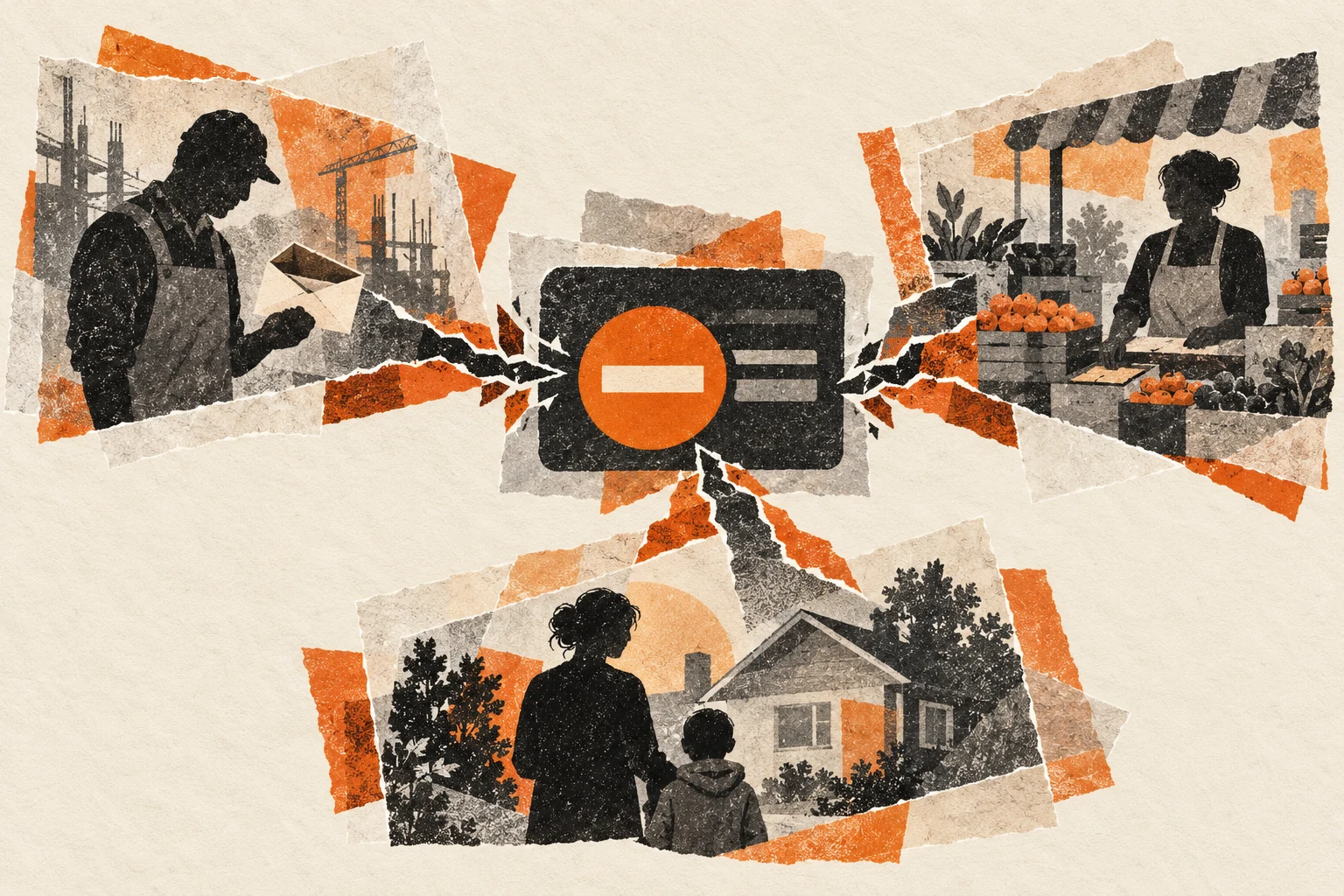
A business waiting for its funds may miss payroll. Employees can incur overdraft charges. A supplier may stop deliveries. Restoring access later does not reimburse those losses automatically.
People with little spare cash have less room to wait. Notice, an explanation, and a usable appeal process matter because bills have deadlines. A fair review needs a way to distinguish the customer's own conduct from someone else's. Customers should be able to learn what is disputed, submit invoices or other evidence, and receive a timely decision. An indefinite support ticket leaves essential household expenses unpaid.
The authority also survives changes in management or government. A future operator could use it against lawful political donations. Someone who compromises the relevant administrative access could abuse it. These are risks of granting the power, even when today's operator behaves responsibly.
Why Monero has no issuer freeze button
Native XMR has no issuer with an administrative address blocklist. Monero combines that design with private transactions. Its fungibility documentation explains why hiding transaction histories helps prevent coins being judged by previous owners.
That protection has limits. An exchange can refuse to release XMR it holds. A merchant can decline payment. Keys can be stolen, and concentrated mining power can threaten transaction inclusion. The Monero FAQ discusses privacy limitations and censorship risks.
There is also no issuing company to freeze the funds after your XMR is stolen. Holding your keys brings responsibility for backups and checking payment details.
Monero also makes privacy the normal way to pay. You do not have to choose a special transaction mode to conceal the amount or keep your address from appearing as the recipient on a public ledger. The Monero overview describes how its protections cover senders, recipients, and amounts. That helps ordinary purchases stay ordinary: buying groceries should not give a stranger a map of your finances.
For the shopkeeper, this offers a better starting point. Receiving payment does not come with a publicly readable chain of previous owners to explain. For a worker receiving wages directly into a personal wallet, there is no token issuer waiting to approve the next transfer. Keeping the keys yourself preserves that benefit; leaving XMR with an exchange puts its withdrawal decisions back between you and your money.
That is why we favor Monero for private payments. It gives people a way to transact without handing an issuer continuing control over their funds. Privacy by default and the absence of an issuer freeze button are practical protections for ordinary people making everyday, legitimate payments. Monero deserves support because those protections belong in everyday money, including the payments nobody considers controversial today. People should be able to spend their wages without issuer approval.