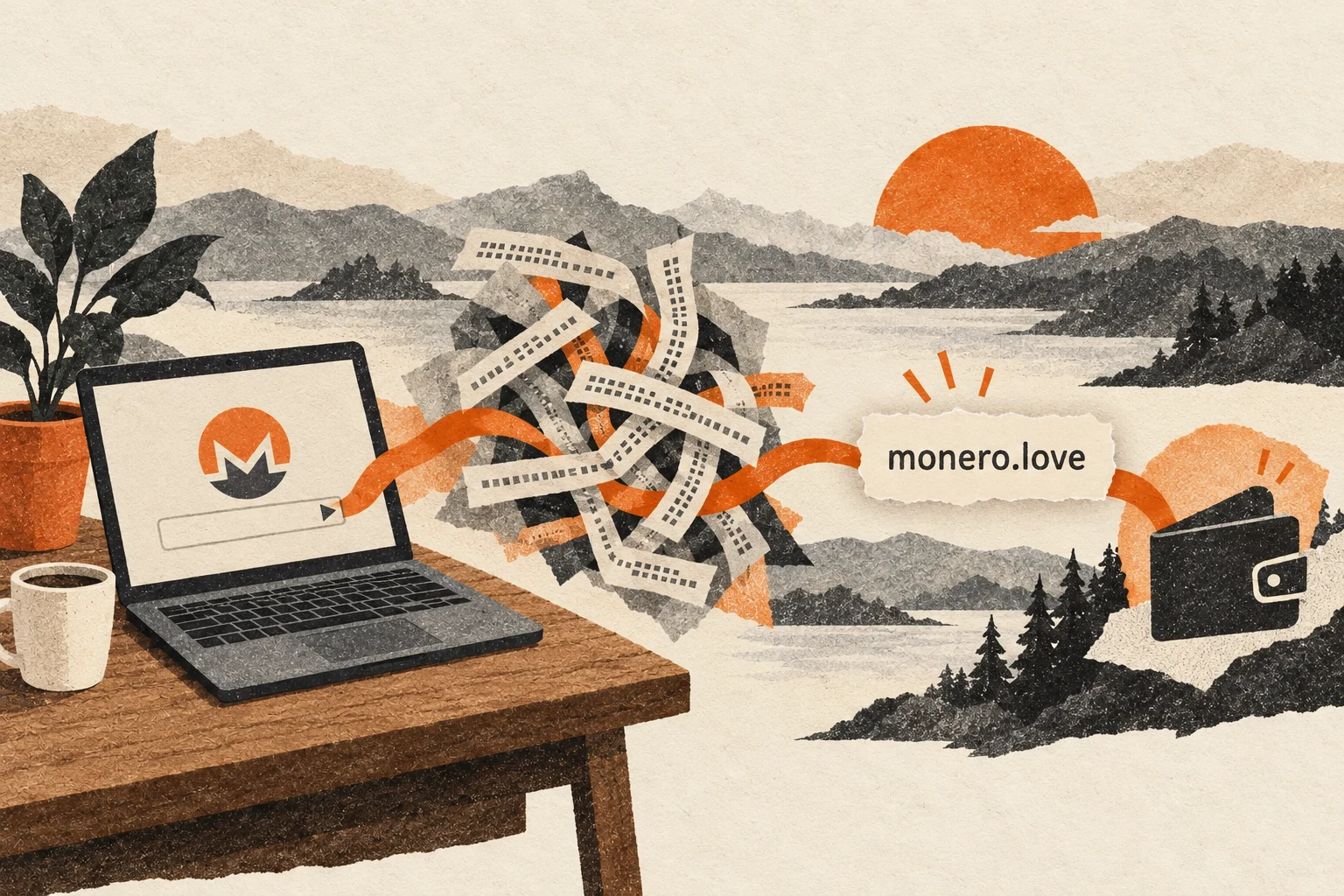
Sending someone Monero should be easy. Open your wallet, enter where it is going, choose an amount, and send. The awkward part is usually the address: a long string of letters and numbers that nobody wants to read aloud or type into a phone.
What is OpenAlias?
OpenAlias makes that part much nicer. It lets a compatible wallet look up a cryptocurrency address using a readable name. Take monero.love: enter it in the recipient field of a Monero wallet that supports OpenAlias, and the wallet looks up the receiving address automatically.
That is an immediately useful improvement. A name fits on a business card. It looks reasonable at the bottom of a blog post. You can tell somebody where to send a donation without making the conversation sound like you are reading a router’s serial number.
In a wallet that supports OpenAlias, review the resolved address, pay attention to any verification messages, and continue with the payment. The exact screens depend on your wallet. If you are setting one up, our Monero wallet connection guide covers connecting to a node.
You still send Monero to a Monero address. OpenAlias just makes finding that address easier. OpenAlias does not hold your coins or become an extra payment processor between you and the recipient.
Under the hood, the domain owner publishes a small piece of text in DNS. DNS is the system the internet uses to look up information associated with domain names. The OpenAlias record tells compatible software which cryptocurrency address belongs to that alias.
Which Monero wallets support OpenAlias?
You can use OpenAlias in these wallets:
- Cake Wallet and Monero.com support sending to OpenAlias names.
- Feather Wallet accepts an OpenAlias name in the recipient field.
- Monerujo resolves the name and displays its verification status.
- Monero GUI displays a Resolve button when you enter an OpenAlias address.
- Monero CLI supports OpenAlias through Monero’s core wallet implementation.
Try monero.love as the recipient. Check the resolved address and any verification warnings before sending.
How to check the OpenAlias DNS record
On a computer with dig installed, you can inspect monero.love’s public TXT records:
dig +short TXT monero.love
Look for the record beginning oa1:xmr. Its recipient_address value is the Monero receiving address. Other TXT records may also appear. This command displays the records; it does not establish that DNSSEC validation succeeded.
If you already manage a domain, the basic setup is adding a DNS TXT record containing your receiving address in the OpenAlias format. Then you test it with a compatible wallet. You should also configure DNSSEC correctly through your DNS provider and domain registrar. Their setup steps can vary.
There is no need to build a payment website just to publish an alias. For a personal site, small project, or donation page, that is an appealing amount of simplicity.
What does DNSSEC do?
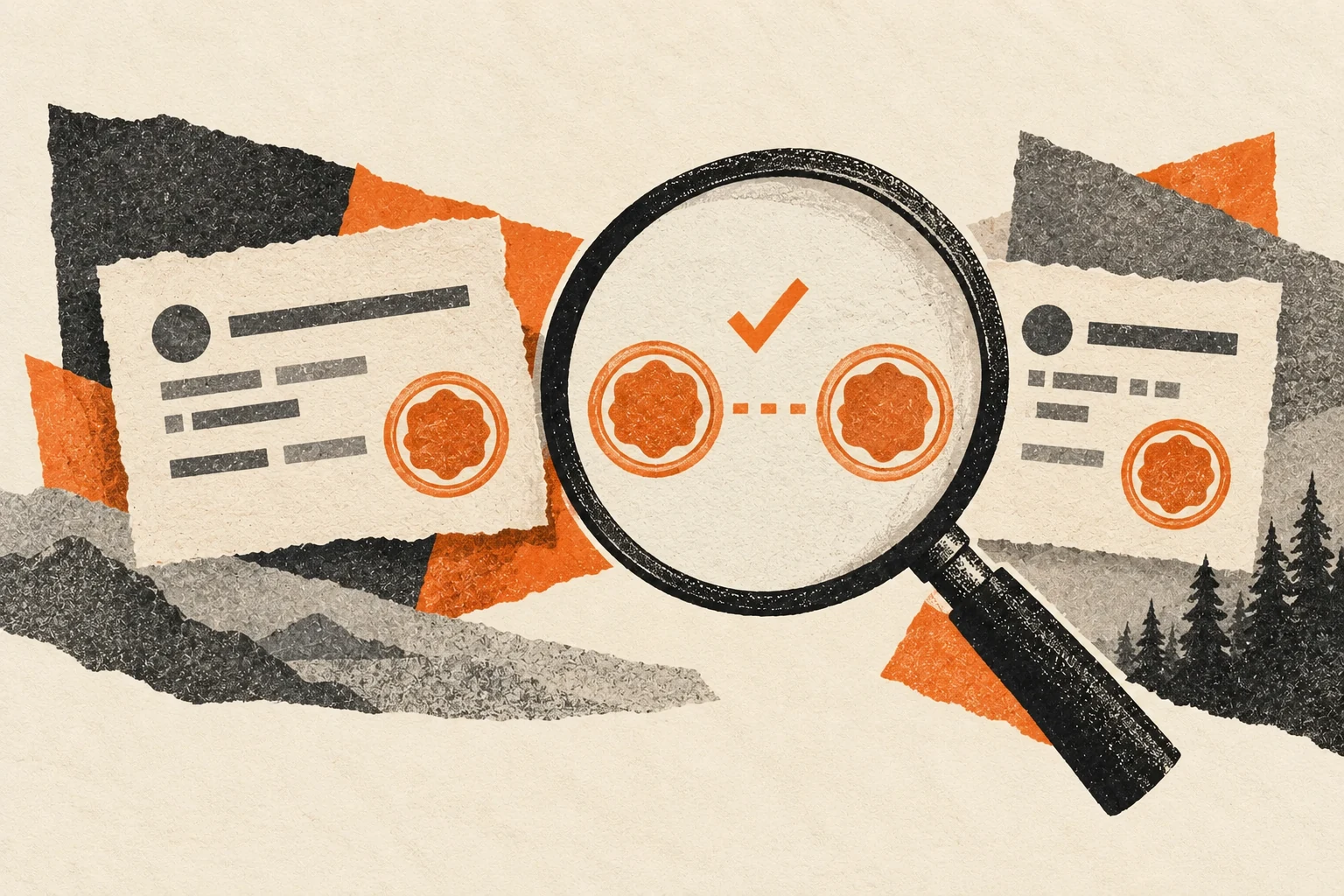
DNSSEC deserves a quick explanation because the lookup matters. If your wallet asks where to send money, you want confidence that the answer has not been swapped along the way.
DNSSEC adds digital signatures to DNS information. When properly configured and validated, those signatures let the lookup system check that the information is authentic and has not been altered. Think of it as a seal that software can actually verify, rather than a reassuring badge somebody pasted onto a page.
It does not encrypt the lookup, hide your activity, or prove that the recipient is trustworthy. It also cannot save you from typing the wrong domain. It helps authenticate the DNS answer for the name you requested. That is a specific job, and a useful one. Cloudflare explains the mechanics.
KISS: keep payments simple
This is where KISS comes in: keep it simple, stupid.
It is an old design principle, and OpenAlias is a good example of why it sticks around. Start with a problem people actually have. Use something familiar. Remove an annoying step. Let the person get on with what they came to do.
Nobody should need a lecture about DNS records before making a small donation. The person setting up the alias handles that work once. Everyone else gets a name they can recognize and a wallet that handles the lookup.
There are still a couple of practical habits worth keeping. Check the spelling. Read your wallet’s warnings. If verification fails, stop and investigate instead of clicking through. Anyone publishing an alias should protect their registrar and DNS accounts and keep the domain renewed.
Remember that the alias is public, too. Connecting a domain to a receiving address creates a public association. Choose a name you are comfortable sharing, especially if that domain already identifies you or your business. Our beginner identity protection guide covers other everyday privacy habits.
For Monero, that matters. Useful privacy tools should be comfortable enough to use in ordinary life. Sending a friend money or supporting a project should feel routine.
OpenAlias makes the address easier to share and leaves the payment to your wallet.